By Dr. Bilkisu Gaye
•
September 2, 2026
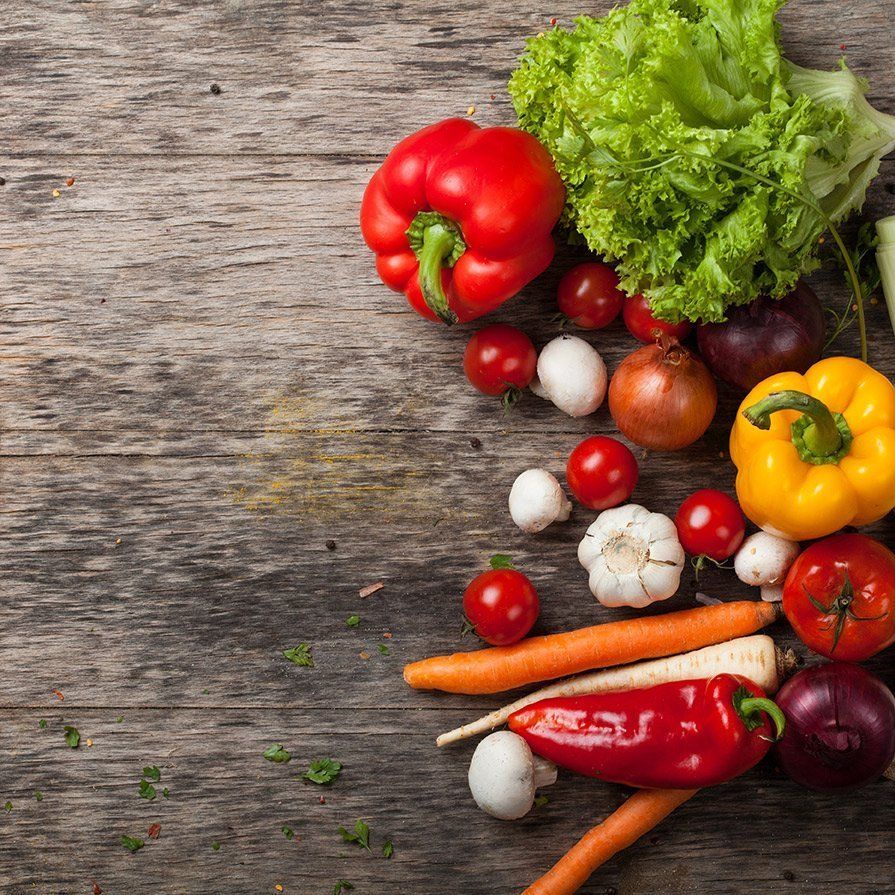
When patients ask me how to support brain health as they age, they often expect the answer to begin with a supplement. But some of the most meaningful tools are much more familiar: the foods we choose, the health of our metabolism, the quality of our sleep, how we move, and how well we manage stress. A 2026 study published in JAMA Network Open adds an important piece to that conversation. It suggests that a dietary pattern with lower inflammatory potential may be especially relevant for older adults who already show blood-based signs of increased Alzheimer’s disease or neurodegenerative risk. What Did the Study Examine? Researchers analyzed 1,865 adults age 60 and older from the Swedish National Study on Aging and Care in Kungsholmen. None had dementia at the beginning of the study. Participants were followed for up to 15.9 years, with an average follow-up of 8.4 years; 240 participants developed dementia during that period. The researchers repeatedly assessed diet and compared three dietary patterns: Alternate Mediterranean Diet (AMED): a pattern emphasizing vegetables, fruits, legumes, nuts, whole grains, fish, and healthier fats. Alternative Healthy Eating Index (AHEI): a broader measure of diet quality associated with chronic-disease and cardiovascular risk. Reversed Empirical Dietary Inflammatory Index (rEDII): a score designed to reflect how strongly a person’s overall eating pattern is associated with inflammatory markers. A higher reversed score represents lower inflammatory potential. The team also measured three blood biomarkers: p-tau217, associated with Alzheimer’s-related amyloid and tau pathology; neurofilament light chain (NFL), a marker of neuronal injury; and glial fibrillary acidic protein (GFAP), a marker of astrocyte activation or damage. What Did the Researchers Find? Higher diet quality was associated with a lower risk of dementia. The most consistent finding among participants with elevated biomarkers was seen with the lower-inflammatory dietary pattern. The Key Number: for each one-standard-deviation increase in adherence to the lower-inflammatory pattern, the relative hazard of dementia was 29% lower among participants with elevated p-tau217, 21% lower among those with elevated NFL, and 27% lower among those with elevated GFAP. Similar patterns were seen when the researchers looked specifically at Alzheimer’s-related dementia and when they used several sensitivity analyses. The study also suggested that better diet quality was associated with more dementia-free time among people with higher biomarker levels. The Important Nuance: Association Is Not Proof This was an observational cohort study, not a randomized clinical trial. It cannot prove that an anti-inflammatory diet prevents dementia, and it does not mean that eating well erases genetics or existing brain pathology. Diet was self-reported, some participants were excluded because of missing dietary or biomarker information, and the study population was largely urban, relatively affluent, and highly educated in Stockholm. Those factors limit how confidently we can apply the exact numbers to every population. The participants were also age 60 and older, so the exact risk estimates should not be presented as a promise for women in their 40s or 50s. The relevance to midlife is the prevention mindset: brain aging unfolds over decades, and midlife is an important time to strengthen metabolic and vascular health habits. Still, the signal is meaningful: biological risk is not necessarily destiny. The study supports the idea that lifestyle may continue to matter even after early warning signs are detectable. What Does an Anti-Inflammatory Eating Pattern Look Like? An anti-inflammatory diet is not one rigid menu, and the study’s inflammatory index should not be treated as a prescription for individual foods. The practical takeaway comes from the shared pattern across the diets studied: build meals around minimally processed plant foods and healthier fats while reducing foods that tend to worsen metabolic and inflammatory burden. Build More of These Foods Into Your Week Colorful vegetables: especially leafy greens, cruciferous vegetables, peppers, tomatoes, carrots, and squash. Whole fruits: including berries, citrus, apples, pears, and other fiber-rich choices. Beans and lentils: for fiber, plant protein, and support for the gut microbiome. Nuts and seeds: such as walnuts, pistachios, chia, flax, pumpkin seeds, and almonds. Whole grains: such as oats, quinoa, barley, and brown rice, when appropriate for your metabolic needs. Omega-3-rich fish: including salmon, sardines, trout, and mackerel. Healthy fats and flavor: extra-virgin olive oil, avocado, herbs, spices, garlic, and onions. Reduce the Junk Ultra-processed foods: especially products built around refined flour, added sugars, and industrial fat s Sugar-sweetened beverages: including sodas, sweet tea, energy drinks, and frequent sugary coffee beverages. Processed meats: such as bacon, sausage, hot dogs, and deli meats. Excess red meat and refined grains: replace some servings with fish, beans, lentils, nuts, or minimally processed poultry. Why Might This Matter for the Brain? The study cannot establish the biological mechanism, but several pathways make sense. Chronic systemic inflammation may promote neuroinflammation. Poor metabolic health can also contribute through insulin resistance, oxidative stress, abnormal lipid metabolism, and vascular injury. Meanwhile, polyphenols, B vitamins, omega-3 fats, and other nutrients found in a high-quality diet may support blood-vessel health, neuronal resilience, and the gut-brain axis. This is why I do not think of brain health as separate from the rest of the body. Blood pressure, blood sugar, lipids, gut health, muscle mass, sleep, and stress regulation all influence the environment in which the brain ages. A Practical Way to Start You do not have to change everything overnight. Think in terms of upgrading meals, not depriving yourself: Add before you subtract - Put one extra serving of vegetables on your plate and add a whole-food source of fiber. Make one strategic swap - Replace a processed meat or refined snack with beans, nuts, fruit, or fish. Use the plate as your guide - Aim for half non-starchy vegetables, a quality protein, and a fiber-rich carbohydrate or healthy fat based on your needs. Choose consistency over perfection - One meal will not determine your future; the pattern you repeat is what matters. Personalize the plan - Foods that support one person may aggravate symptoms in another, particularly when digestive issues, insulin resistance, food sensitivities, or hormonal changes are present.