Healthspan vs Lifespan: Why Midlife Is the Most Important Time to Act

Many women think about aging in terms of how long they will live. But what you should be asking is: How well will you live?
This is where the distinction between lifespan and healthspan becomes critical—and why midlife is one of the most important times to take action.
What’s Lifespan vs Healthspan?
Lifespan refers to the total number of years you live.
Healthspan refers to the number of those years you live in good health—physically, mentally, and emotionally.
In other words:
👉 Lifespan is about years in your life
👉 Healthspan is about life in your years
Many people are living longer than ever before. But does that mean they are living better? It’s common to see:
- Chronic fatigue
- Metabolic disease
- Cognitive decline
- Loss of strength and independence
…beginning in midlife and progressing over time. But this trajectory is not inevitable.
Why Midlife Is a Turning Point
Your late 30s, 40s, and 50s represent a critical window of opportunity. This is when several key shifts begin to occur:
Hormonal Changes
Perimenopause brings fluctuations in estrogen, progesterone, and testosterone. These changes affect:
- Metabolism
- Fat distribution
- Sleep
- Mood
- Brain function
Metabolic Changes
You may notice:
- Increased abdominal weight
- Reduced insulin sensitivity
- Lower energy
Even if your habits haven’t changed.
Muscle Loss
Starting in your 30s, muscle mass gradually declines. This impacts:
- Metabolic rate
- Strength
- Blood sugar control
- Long-term independence
Recovery & Resilience
Sleep becomes more fragile. Stress has a bigger impact. Your body doesn’t “bounce back” the way it used to.
The Default Path vs The Intentional Path
Without intervention, these changes can lead to:
- Weight gain and metabolic dysfunction
- Increased cardiovascular risk
- Cognitive decline
- Loss of mobility and strength
This is what many people accept as “normal aging.” But there is another path.
What It Means to Focus on Healthspan
Optimizing your healthspan means shifting your focus from reacting to symptoms…
to proactively supporting your body.
It means asking:
👉 How can I feel strong, clear, and energized NOW? How can I keep feeling good 10–20 years from now?
The Pillars of Healthspan in Midlife
- Muscle as Medicine
Muscle is one of the most powerful tools for longevity.
It supports:
- Metabolism
- Blood sugar regulation
- Bone health
- Functional independence
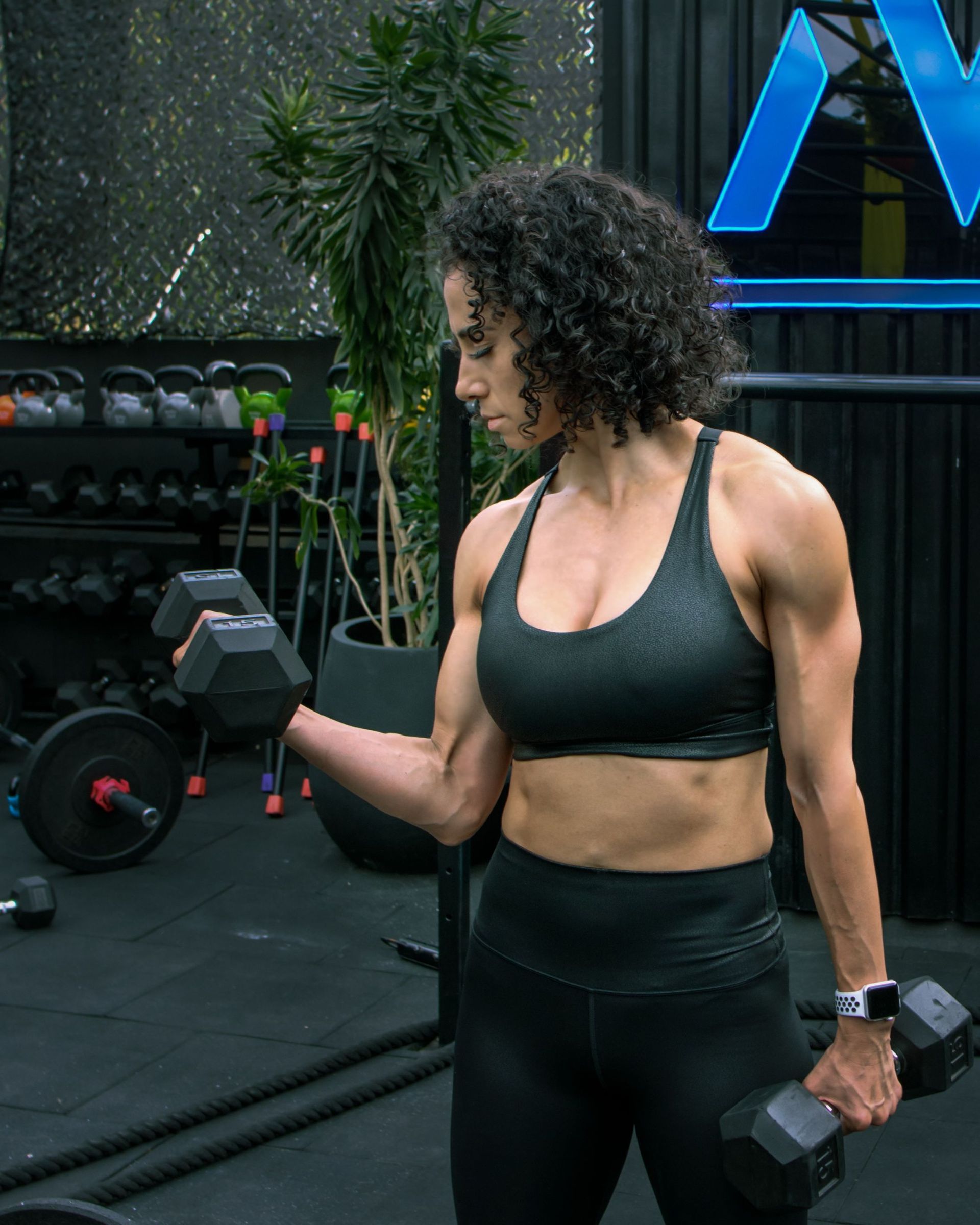
Strength training is not optional in midlife—it is essential. The Importance of Exercise In Weight Loss and Metabolic Health. Downplaying Muscle and Protein? Think Again.
- Metabolic Health
Stabilizing blood sugar and improving insulin sensitivity are foundational.
This includes:
- Prioritizing protein
- Reducing ultra-processed foods
- Creating structured eating patterns
- Hormonal Optimization
Hormonal changes are real—and they matter.
When appropriate, supporting hormone balance can improve:
- Energy
- Mood
- Sleep
- Body composition
Menopause And Perimenopause: What To Look Out For Aand How Hormone Therapy Can Help
- Sleep & Recovery
Sleep is one of the most overlooked drivers of healthspan.
Poor sleep affects:
- Appetite regulation
- Hormonal balance
- Cognitive function
Optimizing sleep is not a luxury—it’s a necessity. The Complex Relationship Between Sleep And Obesity
- Stress & Nervous System Health
Chronic stress impacts:
- Cortisol levels
- Fat storage
- Mood
- Inflammation
Learning how to regulate stress is a key part of long-term health. Meditation And Breath-work
Why This Matters Now (Not Later)
One of the biggest misconceptions is: “I’ll deal with this later.”
But midlife is when the foundation is being set. The habits, patterns, and physiology you establish now will determine:
- How you feel in your 50s, 60s, and beyond
- Your risk for chronic disease
- Your risk of falls and mobility issues
- Your ability to stay active and independent
A New Way to Think About Aging
Aging is not something to fear. But passive aging, without intention, often leads to decline. The goal is not just to live longer.
The goal is to:
- Feel strong
- Think clearly
- Move with ease
- Maintain independence
- Enjoy your life fully
Final Thoughts
If you are in your late 30s, 40s, or 50s and noticing changes in your body, this is not the time to ignore them. It’s the time to get curious. It’s the time to take action. Because the choices you make now will shape not just how long you live but how well you live.
And you deserve both.
READY TO TAKE THE NEXT STEP ?
If you’re ready to take a more intentional approach to your health, I’d love to support you.
Schedule a Strategy Call
This is the first step to explore whether we’re the right fit and how we can help you optimize your healthspan.
👉 Schedule your strategy call here.
Please share ....