

The Importance of Exercise in Weight Loss and Metabolic Health
Weight a Minute: Considerations for Physical Activity
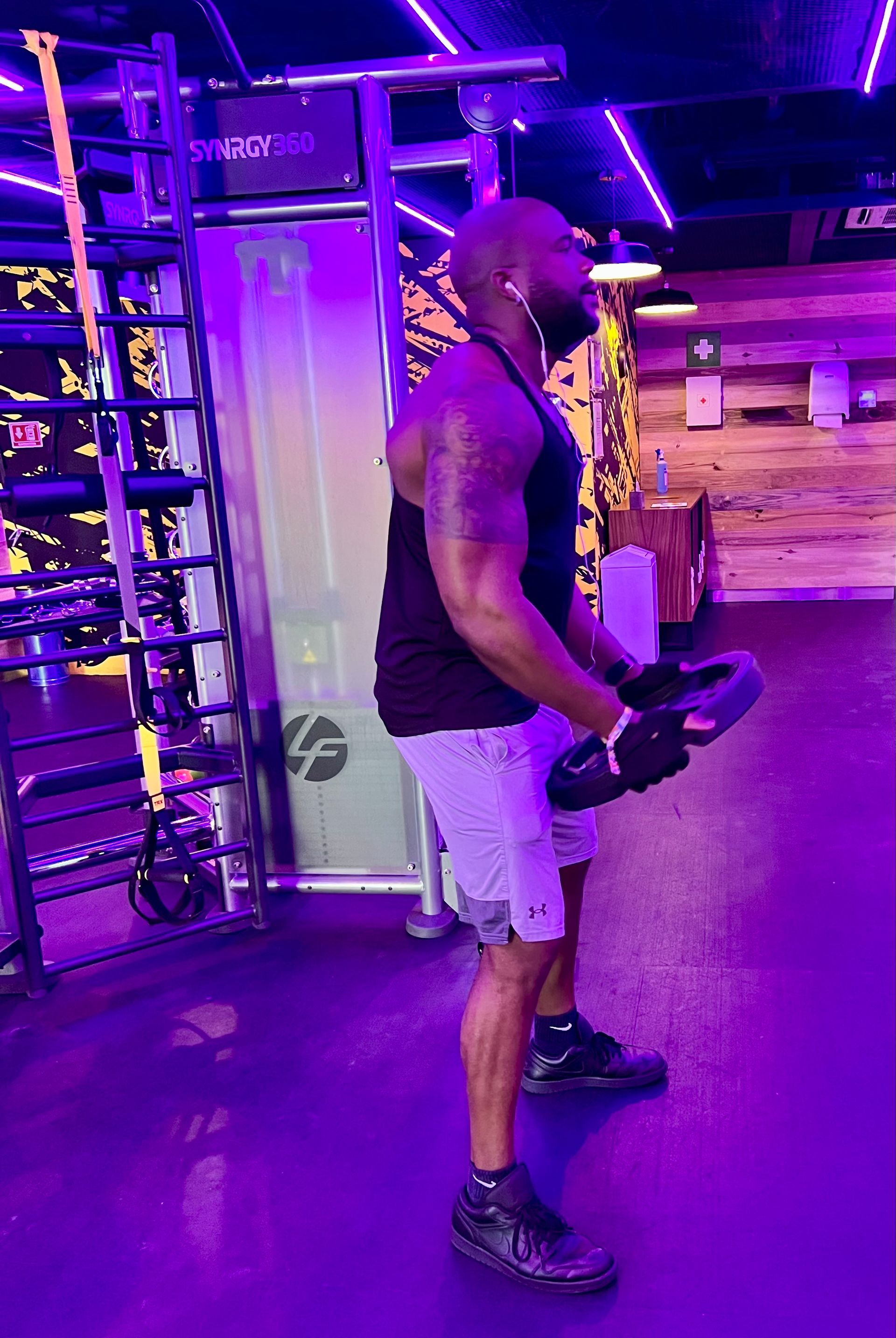
When it comes to weight loss and metabolic health, exercise is a critical component that should not be overlooked. Incorporating both aerobic and resistance training into your fitness routine can significantly enhance your overall health and well-being. Here’s why:
Physical Activity Recommendations
Healthcare guidelines recommend 150-300 minutes of moderate-intensity aerobic exercise or 75-150 minutes of vigorous-intensity aerobic exercise per week. In addition to aerobic activities, it is essential to include resistance training and muscle conditioning at least two days per week.
Benefits of Resistance Training
Resistance training is particularly crucial for individuals during and after weight loss.
Here are some of the key benefits:
- Facilitates Weight Loss: By reducing fat mass and increasing muscle mass, resistance training boosts metabolic rate.
- Improves Bone Health: Strength training enhances bone density, reducing the risk of osteoporosis.
- Reduces Musculoskeletal Pain: Regular resistance training can alleviate chronic pain conditions.
- Improves Mental Health: It helps reduce anxiety and depressive symptoms.
- Enhances Glycemic Control: Resistance training improves insulin sensitivity and glycemic control, crucial for managing and preventing metabolic diseases.
ACSM Guidelines for Resistance Training
According to the American College of Sports Medicine (ACSM), beginners should start with one set of 10-15 repetitions for 8-10 exercises two days per week. The goal is to progress to three sets of 8-10 reps three times per week. The intensity should be 60-80% of one-repetition maximum (1RM) but can start at 40-50% if training to muscular fatigue.
Muscle Fiber Composition
Muscle fibers are divided into Type I (slow twitch) and Type II (fast twitch). Type I fibers are suited for endurance activities and are linked to better weight loss response on a calorie-restricted diet.
Example of an effective 1-Hour Training Session
1. Warm-Up: Walk uphill outside or on a treadmill for 10 minutes.
2. Main Workout:
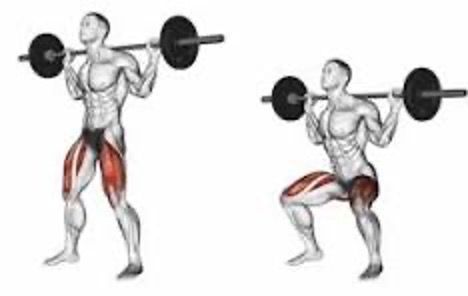
- Back Squat
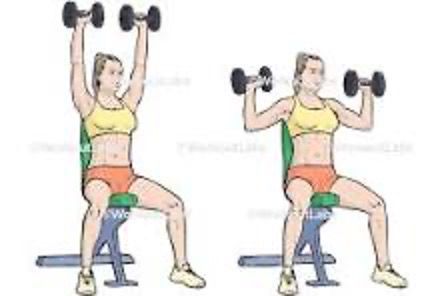
- Shoulder Press
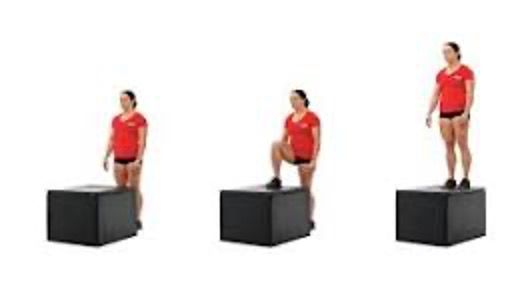
- Box step-ups
- Core exercise, for example shoulder taps
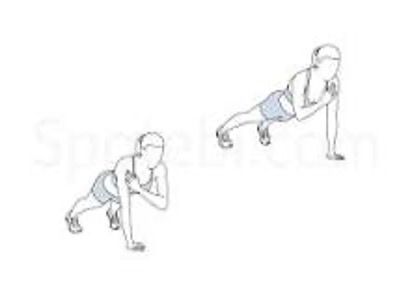
In this session, we train various energy systems:
- Phosphagen System: Activated during high-intensity squats.
- Glycolytic and Oxidative Systems: Engaged throughout the warm-up and main workout.
Training multiple energy systems ensures a balanced approach, yielding the best results.
Benefits Beyond Calories Burned
While calories burned during a 1-hour session account for only 5-10% of daily totals, the benefits of exercise extend far beyond weight loss. As mentioned above, it helps with muscle and bone density as well as improving mental health. Some additional benefits include:
- Community and Support: Training with a coach and teammates provides accountability, community, and support. Click here to book one of our experienced personal trainers.
- Overall Health: Exercise enhances cardiovascular, pulmonary, metabolic, and neurological health.
Key Takeaway: Consistency in both aerobic and resistance training is vital for effective weight loss and metabolic health. Each step towards an active lifestyle is a step towards better health.
Share this post if you found it helpful and subscribe to our free weekly blog and podcast for more tips. Subscribers receive a free infographic on our 30d cleanse and lifestyle reset program and webinar notifications.
Stay active, stay healthy!
Please share ....