
Navigating Weight Management in Perimenopausal and Menopausal Women
As women transition through perimenopause and menopause, they often encounter a host of physical and emotional changes. One of the most common concerns during these stages is weight gain and its impact on overall health. Understanding the metabolic changes that occur during this time is crucial for managing weight effectively and maintaining a healthy lifestyle.
The Metabolic Shift
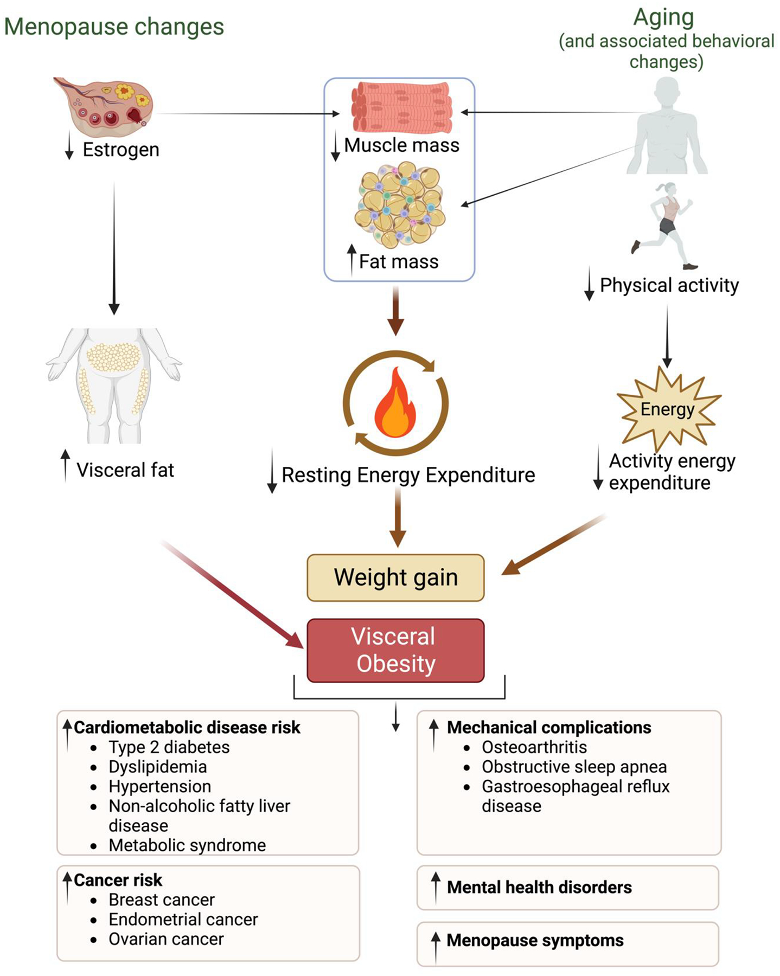
Weight gain during perimenopause and menopause is more than just an inconvenience—it's a physiological response to the hormonal changes occurring in the body. On average, women experience a weight gain of 0.4-0.7 kg (0.9-1.5 lbs) yearly during midlife, with the most significant increases seen between the ages of 36 and 70. Women aged 36-39 experience the highest weight gain, around 1 kg (2.2 lbs) yearly.
This weight gain is often accompanied by changes in body composition, including increased body fat and a shift in fat distribution, with more fat accumulating around the waist. This change is primarily driven by hormonal fluctuations, particularly the decrease in estrogen levels, which also contributes to the loss of lean muscle mass. As a result, waist circumference tends to increase by about 0.7 cm (0.3 in) yearly during these stages.
The Broader Health Implications
The changes in body composition and weight gain during menopause aren't just cosmetic—they have significant health implications. Increased body fat, particularly around the abdomen, is linked to a higher risk of cardiovascular disease (CVD), which is the leading cause of death among women. The risk of developing cardiometabolic conditions, such as hypertension, dysglycemia (abnormal blood sugar levels), and metabolic-associated steatotic liver disease (MASLD), also rises significantly during this time.
Moreover, weight gain and metabolic changes during menopause increase the risk of developing osteoarthritis, certain cancers (such as breast, endometrial, and ovarian cancers), and sleep disorders like obstructive sleep apnea. The psychosocial impact of weight gain can also be profound, contributing to lower life satisfaction, increased depression, and sexual dysfunction.
Solutions: A Holistic Approach to Weight Management
Despite the challenges, managing weight during perimenopause and menopause is possible with the right approach. At Designed4Wellness, we advocate for a holistic, science-based approach to weight management that includes lifestyle interventions proven to deliver results.
- Physical Activity: Regular physical activity is a cornerstone of effective weight management during menopause. Although exercise alone offers modest weight loss benefits, it significantly improves body composition by reducing visceral fat and protecting against the loss of lean muscle mass. We recommend engaging in 150-175 minutes of moderate to intense physical activity per week for weight loss and more than 200 minutes per week for weight maintenance after reaching your desired weight.
- Nutrition: Calorie restriction and balanced nutrition are essential for weight loss during menopause. A diet rich in fiber, vegetables, and lean protein, while reducing the intake of bad fats, processed foods and carbohydrates, can lead to effective weight management. At Designed4Wellness, we recommend a daily calorie intake of 1300-1500 kcal, with protein constituting at least 30% of total calories or greater than 1.2g per kilogram of body weight. However, it's crucial to choose a diet that you can adhere to long-term for sustained results.
- Behavioral Therapy: Behavioral therapy plays a key role in achieving long-term weight management success. Research shows that behavioral interventions, whether delivered in-person or virtually, can significantly improve weight loss outcomes, dietary restraint, and overall quality of life. These therapies help women develop healthier relationships with food and body image, which is vital for sustained weight management.
- Comprehensive Programs: At Designed4Wellness, our six-month comprehensive weight loss program offers a structured and supportive environment for women navigating the challenges of midlife weight management. This intensive program includes over 20 sessions that focus on three pillars of weight loss success: nutrition, physical activity, and psychological support. Participants meet regularly with a physician, a clinical psychologist, and a personal trainer who tailors workouts to their fitness levels, ensuring that they build muscle mass while losing weight. Where clinically appropriate, weight loss medications may also be included in the program.
Looking Ahead: Exploring Weight Loss Medications
In an upcoming blog, we'll delve into evidence-based medications for overweight and obesity, discussing how they can complement lifestyle intervention programs to enhance weight management for perimenopausal and menopausal women.
Managing weight during perimenopause and menopause can be challenging, but with the right knowledge and support, it's entirely achievable. By understanding the changes your body is going through and taking proactive steps to address them, you can maintain a healthy weight and enjoy a vibrant, fulfilling life during and after menopause
Share this post if you found it helpful and subscribe to our blog for more tips on health and wellness. Subscribers get a free infographic on our 10 + 20 program for lifestyle and longevity reset and receive notifications for free webinars. Text us on WhatsApp for more details.
Please share ....