

Part 2: Exploring the Specific Benefits of the Mediterranean Diet
Welcome back to our Mediterranean Diet series! In Part 1, we covered the fundamental principles and general health benefits of this renowned diet. Today, we’ll delve into the specific benefits of key components of the Mediterranean Diet, such as red wine, vinegar, olive oil, nuts, omega-3 fatty acids, and fiber. By understanding the unique contributions of these individual foods, you can better appreciate how the Mediterranean Diet supports overall health and well-being. Let's explore how these elements can enhance your metabolic health and protect against chronic diseases.
Specific Benefits of Individual Foods
Red Wine

- Lowers cardiovascular disease (CVD) risk
- Raises HDL cholesterol
- Anti-inflammatory and antioxidant properties
- Antithrombotic effects (prevents blood clots)
- Decreases postprandial glucose levels
Vinegar

- Delays gastric emptying
- Reduces carbohydrate absorption and postprandial glucose (keeps your blood sugar low)
- Reduces meal-induced oxidative stress (reduces inflammation in your body)
- Prolongs satiety (you feel full longer)
Olive Oil

- Improves lipid profiles
- Lowers postprandial glucose
- Anti-inflammatory and antioxidant effects
- Antithrombotic and antihypertensive properties
- Lowers the risk of heart attack, stroke, Alzheimer’s disease, breast cancer, depression, ulcerative colitis, pancreatitis, and liver disease
Nuts
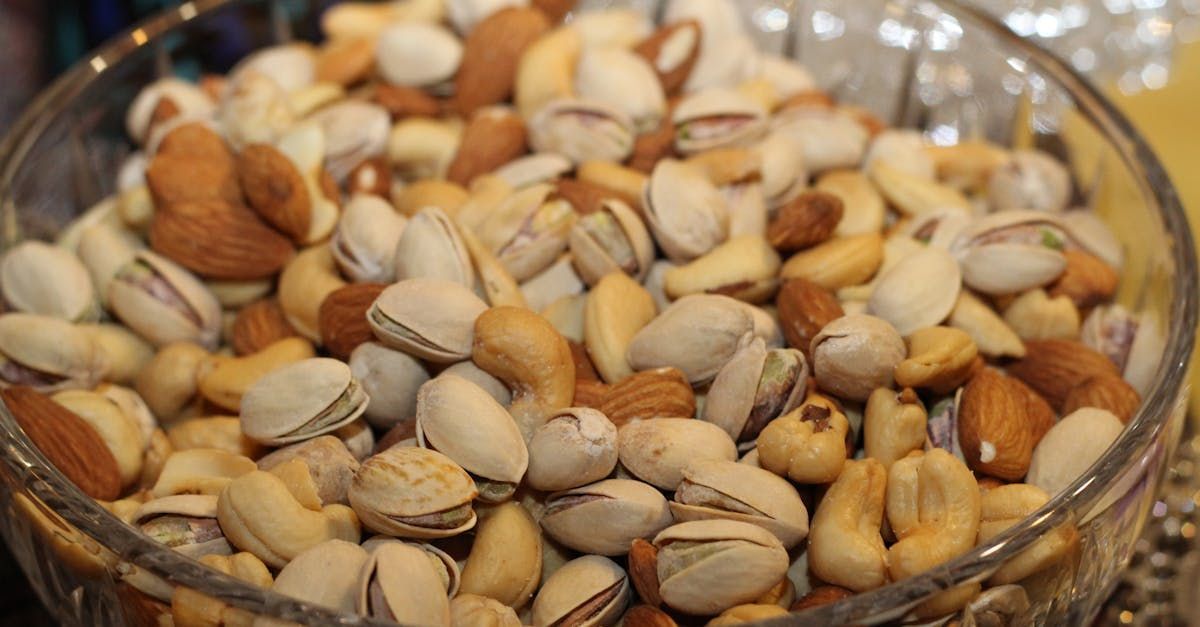
- Contain healthy fats that lowers LDL cholesterol (bad cholesterol)
- Frequent consumption is associated with a significant reduction in fatal coronary heart disease (CHD) events. In other words, you are less likely to die from a heart attack.
Omega-3 Fatty Acids

- Lower triglycerides and reduce inflammation
- Improve blood pressure, heart rate variability, and insulin sensitivity
- Reduce the risk of fatal arrhythmias (irregular heart rate) and improve endothelial function
- Significant reduction in sudden cardiac death and stroke risk with regular fish consumption
Fiber

- Reduces systemic inflammation and LDL cholesterol
- Improves insulin sensitivity and aids in weight control
- Beneficial impact on gut flora
The Mediterranean Diet in Action

Adopting a Mediterranean diet can significantly improve metabolic health and reduce the risk of various chronic diseases. The typical American diet, high in processed foods and low in essential nutrients, often leads to spikes in glucose and triglycerides, overwhelming the metabolic capabilities of the mitochondria and leading to inflammation and cardiovascular diseases. In contrast, the Mediterranean diet promotes a balanced intake of nutrients that align with our physiological needs.
Research by Esposito et al. in 2004 showed that individuals following a Mediterranean diet experienced significant reductions in body weight, insulin resistance, blood glucose levels, inflammatory markers, and blood pressure. They also saw improvements in lipid profiles and endothelial function, with a 50% decrease in the prevalence of metabolic syndrome.
Conclusion
It's clear that metabolic syndrome and related chronic diseases are often the result of poor diet and lifestyle choices. Resorting to drug therapy for conditions caused by a maladaptive diet is less rational than realigning our eating habits with our physiological needs. The Mediterranean diet, with its emphasis on whole, minimally processed foods, offers a sustainable and effective approach to improving metabolic health and preventing chronic diseases.
By incorporating the Mediterranean diet into your life, you can significantly improve your metabolic health and reduce the risk of various chronic diseases. Remember, the key is to focus on whole, minimally processed foods and maintain a balanced intake of nutrients that align with your physiological needs.
References:
- Casas R et al. (2016). Dietary Patterns, Foods, Nutrients and Chronic Inflammatory Disorders. Immunome Res, 12: 122.
- Esposito et al. (2004). JAMA, 292: 1440-1446.
- JAMA (1998). 279 (1): 23-28.
- JAMA (2001). 285.
- O’Keefe et al. (2008). JACC, 51: 249-255.
- Schwingshack L et al. (2017). Nutrients, 9(10): 1063.
- Mitrou et al. (2007). Arch Int Med, 167: 2461-8.
- The HALE Project.
- The New York Times, Gina Kolata, Feb 25, 2013.
Share this post if you found it helpful and subscribe to our blog for more tips on health and wellness. Subscribers get a free infographic on our 10 + 20 program for lifestyle and longevity reset and receive notifications for free webinars. Text us on WhatsApp for more details.
Please share ....