

The Truth About Carbs: Not All Are Created Equal
Understanding Good Carbs, Glycemic Load, and the Dangers of Processed Foods

Let’s get real—when it comes to weight gain, insulin and insulin resistance are the main villains. And guess what’s driving these bad guys? Carbs! Especially those sneaky refined ones like sugar and flour. They spike your insulin levels faster than you can say "extra fries," and that leads straight to obesity 🥲. On the flip side, protein and fats? They’re the chill friends of the food world—they don’t mess with your blood sugar much at all.
So, are all carbs bad? Not at all! Some are actually the good guys—fruits and veggies! (Though, just like people, some are better than others 😉).
Glycemic Index vs. Glycemic Load: What’s the Deal?
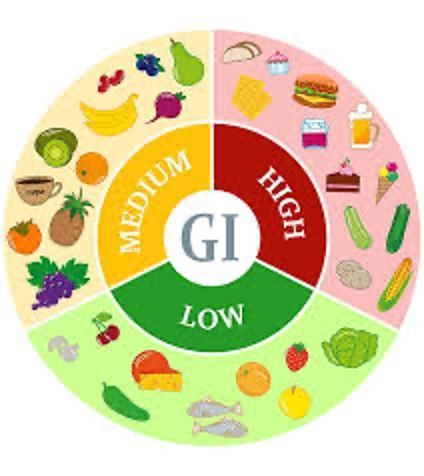
If you want to control your blood sugar and keep your insulin in check, you’ve got to know about the Glycemic Index (GI) and Glycemic Load (GL). GI tells you how much a certain food raises your blood sugar (lower is better). But GL is even cooler because it takes the actual serving size into account.
Take watermelon, for example. It has a high GI (72), which sounds scary, but since it’s mostly water, the GL is only 4. The goal? Keep your GL under 11, and your body will thank you!
The Real Villains: Ultra-Processed Foods
The Western diet is loaded with ultra-processed junk that sends your blood sugar skyrocketing. These foods are stripped of their fiber, protein, and healthy fats, making them easier to absorb—and not in a good way. It’s like wheat’s evil twin. 🌾 Modern wheat is ground so fine, it’s like flour on steroids. It gets absorbed super fast, spiking your blood sugar and insulin like nobody’s business, leading to weight gain and even food addiction. 😱
And don’t even get me started on overconsumption! Think about it: Could you eat five oranges in one sitting? Probably not. But a glass of orange juice? Gone in seconds. By taking out the fiber, you’re left with a sugar bomb that messes with your metabolism. Dr. Jason Fung nailed it—people ate unrefined carbs for centuries without battling obesity and diabetes. But today, we’re surrounded by refined grains, and they’re doing a number on our health.
Plus, the way we process wheat has completely changed. Modern wheat is a whole different beast compared to what our ancestors ate. And guess what? This new wheat is contributing to autoimmune conditions like celiac disease. It’s no coincidence that celiac has quadrupled since this variety hit the scene.
Even “whole wheat” and “whole grain” flour aren’t safe from this sugar rush. Sure, they’re a bit better, but they still send your blood sugar on a wild ride.
Stay Tuned: The Fiber Fix!
Wondering how to fight back against these carb-driven sugar spikes? Here’s a hint: fiber is your secret weapon! 🛡️ In our next issue, we’re diving deep into the metabolic magic of fiber and why it’s basically carbs’ kryptonite. From keeping blood sugar stable to boosting digestion, fiber is the real MVP, and you won’t want to miss it!
Call to Action
Want to learn more about how food impacts your health? Subscribe to our free weekly blog for even more nutrition tips, and share this post with your squad! Let’s make better choices together and crush those carb cravings. 💪💡
Share this post if you found it helpful and subscribe to our blog for more tips on health and wellness. Subscribers get a free infographic on our 10 + 20 program for lifestyle and longevity reset and receive notifications for free webinars. Text us on WhatsApp for more details.
Please share ....