

The Myth About Fats: Debunking Decades of Dietary Misinformation
For years, we’ve been told that fats are the enemy—culprits behind heart disease, obesity, and a host of other health issues. But what if I told you that eating fats doesn’t make you fat, nor does it cause heart attacks or strokes? In fact, incorporating the right fats into your diet can boost your metabolism and even lead to weight loss.
The Misleading Food Pyramid
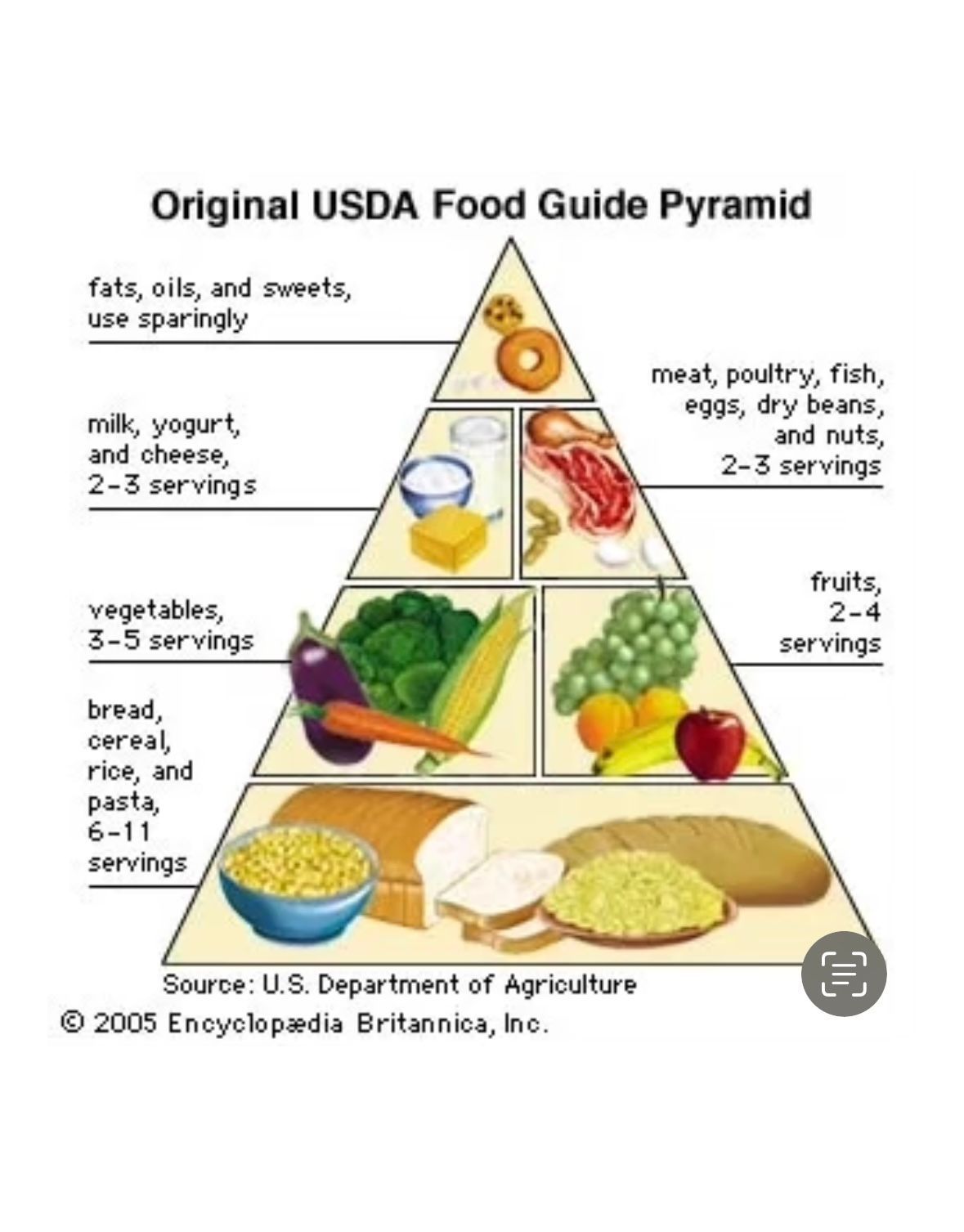
Remember the 1992 food guide pyramid? It recommended consuming 6-11 servings of carbohydrates per day, a guideline that coincided with a surge in obesity, diabetes, dementia, cancers, and heart disease in America. This high-carb, low-fat directive did more harm than good, steering us away from a balanced diet.
A Turnaround in Dietary Guidelines
In 2015, the Dietary Guidelines Advisory Committee revised its stance on fats. The new guidelines no longer recommended limiting dietary fats. According to the committee, “the totality of scientific evidence and experimental data did not validate the hypothesis that dietary cholesterol increases blood cholesterol, and by extension increases the risk of cardiovascular disease (CVD).”
Increased intake of dietary cholesterol was found to be associated with decreased synthesis of endogenous cholesterol, maintaining cholesterol homeostasis. Consequently, the 2015–2020 Dietary Guidelines for Americans removed the recommendation to limit cholesterol intake to 300 mg/day.
[Read the full article](https://www.ncbi.nlm.nih.gov/pmc/articles/PMC6024687/)
The Consequences of Low-Fat Diets
The push for low-fat foods led to the rise of products loaded with sugars, carbohydrates, and highly processed ingredients—marketed as "healthy" but with dire health consequences. We were advised to replace natural animal fats like duck fat and coconut oil with processed vegetable oils high in inflammatory omega-6 fatty acids. This shift contributed significantly to the prevalence of chronic diseases today.
Personal Anecdote
Today, I had a patient whose LDL cholesterol was 140, which is considered elevated. Her physician advised her to limit her intake of saturated fats, especially from animal-derived foods, coconut oil, and palm oil. But here’s the truth: naturally occurring fats in whole foods like pasture-raised or grass-fed meat and wild salmon are not the problem. The problematic fats are those found in highly processed oils like canola oil and those added to processed foods by the food industry.
The Importance of Healthy Fats
It’s crucial to understand that not all fats are created equal. Healthy fats, such as those found in avocados, nuts, seeds, and certain oils, are essential for our well-being. These fats support brain function, hormone production, and cell regeneration, among other vital processes.
Unfortunately, many healthcare professionals still adhere to outdated guidelines. It's important to seek out current, evidence-based advice when it comes to nutrition.
Stay Tuned
Next week, I will have a follow-up blog on the truth about fats and oils, diving deeper into which fats are beneficial and which ones to avoid. Together, let’s spread the word and correct these long-standing misconceptions about fats.
Final Thoughts
The narrative around fats is changing, and it's time we embraced the truth: fats are not the enemy. By choosing the right fats, we can improve our health and well-being. Let’s move forward with a balanced, informed approach to our diets, free from the myths of the past.
Stay informed, stay healthy, and let’s debunk the myths about fats together.
Please share ....