

Unmasking Fats: The Truth Behind Healthy and Unhealthy Choices
Understanding the Good, the Bad, and the Essential in Your Diet
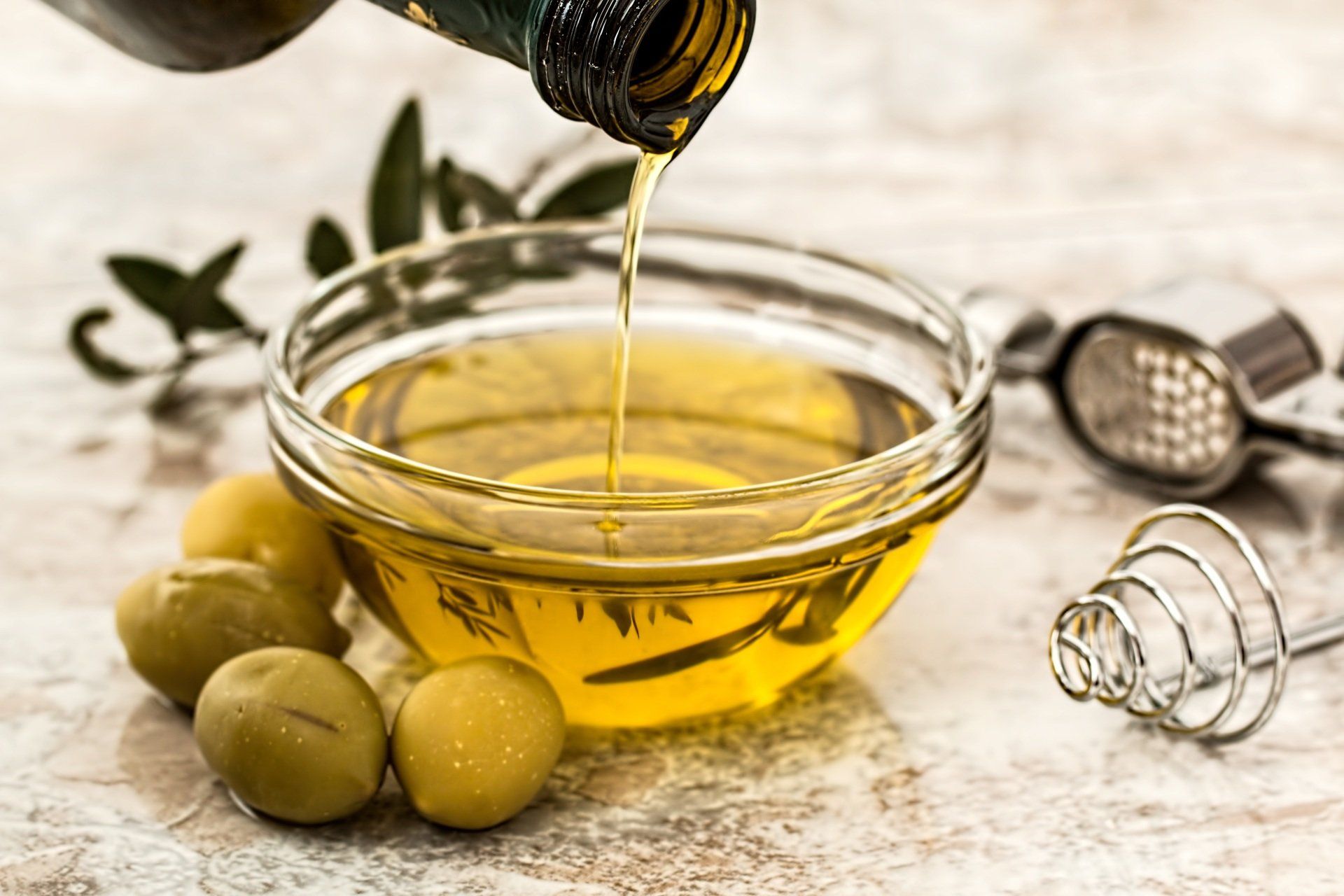
Fats and oils are crucial for brain health, forming cell membranes, making hormones, and providing an essential fuel source. While carbs are good fuel sources, they spike blood sugar and insulin, leading to weight gain and metabolic disorders. Did you know that eating a diet rich in healthy fats can help you burn 300 more calories daily compared to a low-fat, high-carb diet? High-fat diets also improve HDL cholesterol, reduce triglycerides, and lower blood sugar levels.
Types of Fats
Monounsaturated Fats
These fats, found in olive oil, nuts, avocados, butter, lard, duck fat, chicken fat, and beef tallow, are rich in antioxidants and protect against heart disease. Olive oil is best used raw or for low-heat cooking due to its low smoke point.
Polyunsaturated Fats
Polyunsaturated fats include omega-3 and omega-6 fatty acids. Omega-3s, found in fish, eggs, algae, walnuts, and flaxseeds, are essential for brain health and reducing inflammation. Omega-6s, found in nuts, seeds, beans, grains, and refined oils, can be harmful in large amounts. Maintaining a balanced 1:1 ratio of omega-3 to omega-6 is crucial for health.
The Truth About Vegetable and Seed Oils
Highly processed oils like canola, soybean, and corn oil are high in omega-6 fatty acids and release harmful free radicals when heated. Hydrogenated oils, known as trans fats, are even worse, contributing to heart disease, diabetes, and obesity. So if the majority of your diet comes from fast foods, highly processed foods and conventionally raised meat and you cook with highly refined vegetable oils, you are tipping the 1:1 ratio of good and bad fats (omega-3 to omega-6) in your body to more like 20:1 with detrimental health consequences. No wonder you always feel bad and keep getting sick.
Saturated Fats
Saturated fats, like those in coconut oil and grass-fed meat and butter, have been unfairly demonized. Coconut oil is over 90% saturated fat but contains medium-chain triglycerides (MCTs) that boost metabolism, aid in weight loss, and improve brain function. Coconut oil also raises HDL, which is the good cholesterol, and improves the type of LDL cholesterol in your blood. Does that sound like something you should avoid? Studies show that sugar and carbs, not saturated fats, are the real culprits behind heart disease.
Anecdotal Insight
I have a colleague who refuses to eat eggs because she said it increased her LDL. She is a nurse practitioner. She was told to avoid eggs, especially the yolk, because of its high saturated fat content. This came up because she was a participant in my 10 + 20 program, a 30-day cleanse and lifestyle reset program that eliminates junk food high in omega-6 fatty acids and focuses on whole foods from grass-fed and pasture-raised animals and vegetables. The diet is naturally high in healthy proteins and fats, including saturated fats, but essentially eliminates carbs from grains and sugar. She just couldn’t wrap her head around eating “more fats” with her cholesterol being high. I don’t blame her. It took me reviewing countless scientific articles and reading books from acclaimed physicians like Dr. Jason Fung, Dr. Mark Hyman, Dr. David Ludwig, and Dr. William Li to change my mindset. Though the truth is slowly coming out about fats and their health benefits, we are still getting confusing and inaccurate advice from our healthcare professionals. But we can’t blame them entirely because even the National Institute of Health (NIH) still recommends cooking with toxic vegetable and seed oils because they are low in saturated fats and steer us away from coconut oil which is 90% saturated fat. Last week, I told you about a client whose LDL was 140 and her PCP advised her to cut coconut oil from her diet to lower her risk of heart disease. The truth about fats is spreading, but unfortunately not fast enough.
Call to Action
For more detailed information on fats and oils, check out our 30-day Longevity and Lifestyle Reset e-booklet. Subscribe to our free blog for useful nutrition tips and resources for a healthier lifestyle. You'll also receive notifications for our free webinars. Join us today for a journey towards better health!
Please share ....